First Potential FDA-Approved Therapy for wAIHA

Summary

Johnson & Johnson presented pivotal ENERGY Phase 2/3 data showing statistically significant durable hemoglobin responses for IMAAVY in warm autoimmune hemolytic anemia, supporting its February 2026 sBLA filing.

What Happened

Patients receiving IMAAVY achieved durable hemoglobin responses at roughly three times the rate of placebo, with improvements appearing as early as Week 1. Fatigue and corticosteroid reduction endpoints also favored treatment.

Deep Analysis

The significance lies in the combination of rapid onset, durable efficacy and mechanism. FcRn inhibition removes pathogenic IgG autoantibodies by preventing antibody recycling, directly addressing disease biology rather than relying on broad immunosuppression. The speed of hemoglobin improvement is particularly meaningful in a disease where anemia symptoms can be severe and chronic. The dataset strengthens the regulatory case for the first approved therapy in wAIHA.

Competitive Displacement

IMAAVY challenges steroid- and rituximab-based management while establishing FcRn inhibition as a new therapeutic category in autoimmune hematology. Argenx and UCB remain the most relevant future class competitors.

Company / Product Background

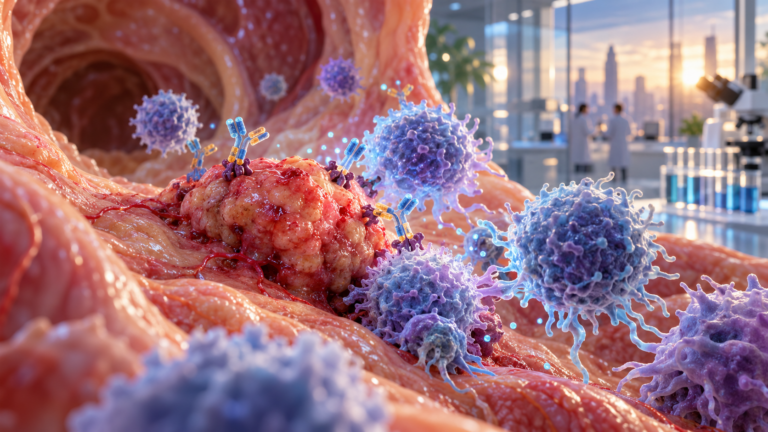
Nipocalimab is a fully human anti-FcRn monoclonal antibody designed to reduce pathogenic IgG autoantibody levels across multiple autoimmune diseases.

Signal Extraction

First pivotal positive FcRn dataset in wAIHA; potential first approved therapy; rapid hemoglobin response; meaningful fatigue improvement; first-mover advantage opportunity.

Insilens Take

This is one of the most important autoimmune hematology readouts at EHA 2026. Beyond the commercial opportunity, the data reinforce FcRn inhibition as a scalable platform mechanism across antibody-mediated diseases.

Share this article :

Leave a Reply

Your email address will not be published. Required fields are marked *