Beam – Base Editing SCD Data Update

Summary

Beam Therapeutics announced updated biomarker data from the Phase 1/2 BEACON trial of ristoglogene autogetemcel (risto-cel), reinforcing its position as the leading base-edited cell therapy program in sickle cell disease ahead of a planned BLA submission by year-end 2026.

What Happened

Beam disclosed that updated BEACON clinical data will be presented at EHA 2026, including analyses of red blood cell health, sickling correction, rheology parameters, and fetal hemoglobin induction.

The company highlighted previously published NEJM data demonstrating deep resolution of sickle cell disease biomarkers, rapid engraftment, reduced hospitalization burden, and predictable manufacturing characteristics.

Beam expects to submit a BLA for risto-cel as early as year-end 2026.

Deep Analysis

This is one of the most strategically important next-generation gene-editing programs in hematology.

Risto-cel is currently the most advanced base-editing therapy in sickle cell disease and represents the first major commercial test of base editing as a therapeutic platform.

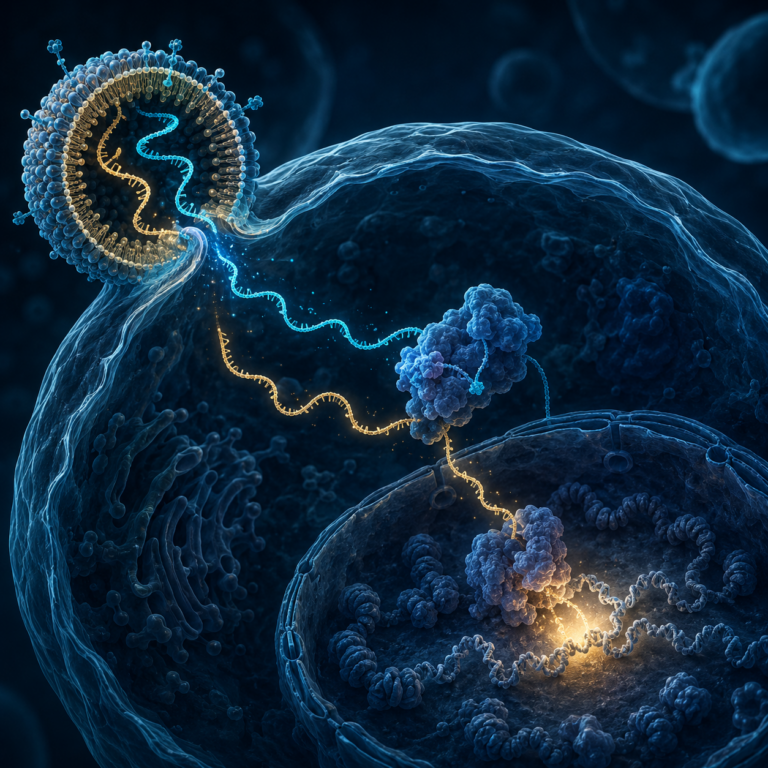
Unlike CRISPR nuclease editing approaches that create double-strand DNA breaks, base editing modifies DNA without cutting both strands, theoretically reducing genomic instability and off-target risk.

The specific focus on sickling rheology and red blood cell mechanics is particularly important because these parameters directly relate to vaso-occlusive pathology and organ damage in SCD.

Mechanistically, correction toward sickle-cell trait-like biology could become a key differentiator versus competing gene therapies.

Commercially, manufacturing predictability may prove equally important. Beam is clearly positioning risto-cel against both Casgevy and Lyfgenia not only on biology but also on operational reliability and scalability.

If successful, risto-cel could establish base editing as a major therapeutic platform beyond sickle cell disease.

Company / Product Background

Beam Therapeutics is a biotechnology company focused on precision genetic medicine using base editing technology.

Sickle cell disease is a hereditary blood disorder caused by a mutation in the beta-globin gene leading to abnormal hemoglobin polymerization, red blood cell sickling, vaso-occlusion, and chronic organ injury.

Risto-cel is an ex vivo autologous hematopoietic stem cell therapy using base editing to disrupt the BCL11A enhancer, thereby reactivating fetal hemoglobin (HbF) production and reducing sickling pathology.

Signal Extraction

– Base editing emerging as next-generation gene-editing platform
– Manufacturing reliability becoming major competitive differentiator
– HbF reactivation remains dominant SCD curative strategy
– Gene-editing competition intensifying beyond CRISPR nucleases

Insilens Take

– Opportunity: Potential best-in-class profile in curative SCD therapy
– Threat: Regulatory and manufacturing complexity remain substantial
– Watch Signal: BLA submission timing and long-term durability
– Action: Compare safety and manufacturing consistency versus Casgevy and Lyfgenia

Share this article :

Leave a Reply

Your email address will not be published. Required fields are marked *