Inhibrx – OX40 Agonist Shows Early Benefit

Summary

Inhibrx Biosciences reported interim Phase 2 data for INBRX-106 in combination with Keytruda in first-line head and neck squamous cell carcinoma (HNSCC), suggesting potential costimulatory benefit beyond PD-1 monotherapy.

What Happened

The company released early Phase 2 clinical data evaluating INBRX-106, an OX40 agonist biologic, combined with pembrolizumab (Keytruda) in previously untreated HNSCC patients.

The interim analysis indicated encouraging anti-tumor activity and supported the hypothesis that OX40-mediated immune stimulation may enhance checkpoint inhibitor responses.

Deep Analysis

This is a meaningful immuno-oncology platform signal because it revives interest in costimulatory immune activation strategies, an area that has historically produced mixed clinical outcomes.

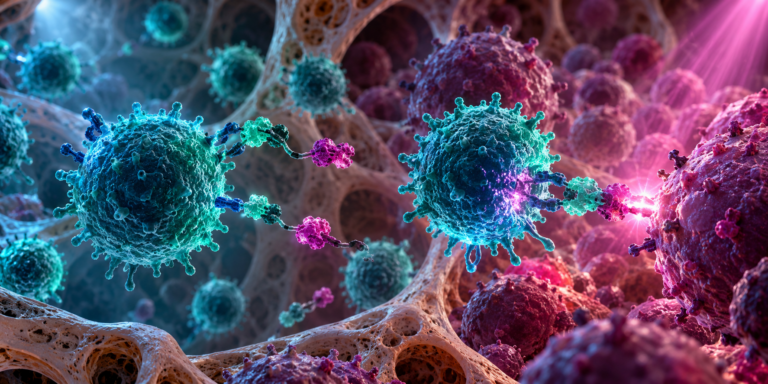
Checkpoint inhibitors such as PD-1 blockers release immune suppression, but many tumors remain insufficiently immunogenic. OX40 agonists aim to actively stimulate T-cell activation, expansion, and persistence, potentially amplifying anti-tumor immunity.

The significance of these data lies less in immediate efficacy claims and more in proof that properly engineered costimulatory biologics may still have clinical utility after earlier industry setbacks.

From a strategic perspective, positive signals in OX40 could reopen interest in broader immune activation combinations beyond PD-1/PD-L1 monotherapy.

However, the data remain early-stage and non-randomized, leaving durability and broader reproducibility unresolved.

Company / Product Background

Inhibrx Biosciences is a biotechnology company focused on engineered biologic therapeutics.

Head and neck squamous cell carcinoma is an aggressive cancer with limited long-term survival despite checkpoint inhibitor use.

INBRX-106 is a multivalent OX40 agonist designed to activate T cells through costimulatory signaling. OX40 is a receptor expressed on activated T cells that promotes immune-cell expansion, survival, and enhanced anti-tumor function.

Signal Extraction

– Renewed momentum for immune costimulation strategies
– OX40 remains clinically viable despite historical setbacks
– Combination immunotherapy continues evolving beyond PD-1 blockade
– Engineered biologics increasingly differentiated by immune modulation

Insilens Take

– Opportunity: Re-emergence of costimulatory immuno-oncology platforms
– Threat: Early efficacy signals may not translate into durable survival benefit
– Watch Signal: Randomized efficacy and durability data
– Action: Track OX40 and related immune activation pathways

Share this article :

Leave a Reply

Your email address will not be published. Required fields are marked *