Terremoto – $108M Series C Degrader Platform

Summary

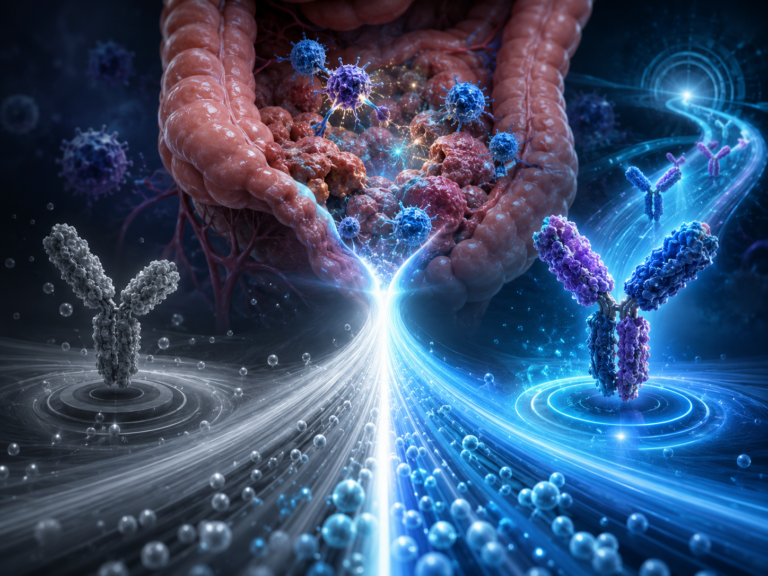
Terremoto Biosciences has raised $108 million in a Series C financing to advance its covalent targeted protein degradation platform, including AKT1-targeting degraders into clinical development.

What Happened

The company secured $108M to support progression of its degrader pipeline, with a focus on AKT1, a key signaling protein implicated in cancer and immune pathways. The financing will fund clinical advancement and further platform expansion.

Terremoto’s approach centers on covalent degrader chemistry, representing a next-generation evolution within the targeted protein degradation field.

Deep Analysis

This financing reinforces continued investor commitment to the protein degradation ecosystem, particularly as the field evolves beyond first-generation PROTACs.

Covalent degraders represent a newer class designed to form irreversible interactions with target proteins, potentially improving potency, selectivity, and durability of effect. This approach could address limitations seen with earlier degradation technologies.

Strategically, this signals layering within the modality landscape: PROTACs established the concept, molecular glues expanded target space, and covalent degraders aim to further refine efficiency and drug-like properties.

The focus on AKT1 is notable, as it is a central node in oncogenic signaling pathways. Successful degradation of such targets could have broad therapeutic implications across oncology and immunology.

However, as with all emerging modalities, clinical validation remains the key risk factor.

Company / Product Background

Terremoto Biosciences is a biotechnology company developing covalent small-molecule degraders targeting disease-relevant proteins.

AKT1 is a serine/threonine kinase involved in cell survival, proliferation, and metabolism. Dysregulation of AKT signaling is common in cancers and immune disorders.

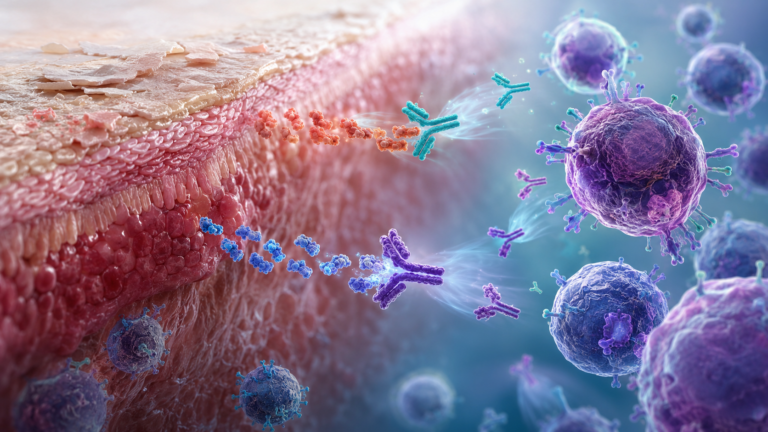
Targeted protein degradation therapies aim to eliminate disease-driving proteins rather than simply inhibiting them. Covalent degraders work by forming strong chemical bonds with target proteins, promoting their ubiquitination and degradation via the proteasome, potentially enabling more sustained therapeutic effects.

Signal Extraction

– Continued capital inflow into protein degradation ecosystem
– Emergence of covalent degraders as next-gen modality
– Focus on high-value signaling targets like AKT1
– Modality layering indicates maturation of the field

Share this article :

Leave a Reply

Your email address will not be published. Required fields are marked *