Gilead – $5B Tubulis Acquisition

Summary

Gilead Sciences has agreed to acquire German biotech Tubulis in a deal worth up to $5 billion, significantly expanding its antibody-drug conjugate (ADC) platform capabilities. The transaction underscores the strategic importance of ADC technologies in next-generation oncology pipelines.

What Happened

Gilead entered into an agreement to acquire Tubulis, a company specializing in next-generation ADC technologies, including proprietary linker and payload systems. The deal includes upfront and milestone-based payments totaling up to $5 billion.

Tubulis’ platform focuses on site-specific conjugation technologies that improve stability and precision of ADCs, enhancing targeted delivery of cytotoxic payloads to tumor cells.

Deep Analysis

This acquisition reflects a broader strategic shift in oncology toward platform-based innovation rather than single-asset bets. ADCs have emerged as one of the fastest-growing therapeutic classes due to their ability to combine the targeting specificity of antibodies with the potency of cytotoxic drugs.

For Gilead, the deal strengthens its position in oncology following prior investments in cell therapy and antibody-based platforms. Tubulis provides differentiated linker and conjugation technologies, which are increasingly recognized as critical determinants of ADC efficacy and safety.

Industry-wide, this transaction reinforces a trend of vertical integration—big pharma consolidating key components of ADC platforms, including payload chemistry, linker stability, and targeting antibodies. This suggests that future competitive advantage will be driven by platform quality rather than individual drug candidates.

The high valuation also signals strong confidence in ADC market growth, but introduces execution risk, particularly in translating platform advantages into clinical success.

Company / Product Background

Gilead Sciences is a major biopharmaceutical company with an expanding oncology portfolio. Its strategy has increasingly focused on building diversified technology platforms across cell therapy and antibody-based treatments.

Cancer (solid tumors) involves uncontrolled cell growth driven by genetic mutations and dysregulated signaling pathways. Traditional chemotherapy lacks specificity, leading to systemic toxicity.

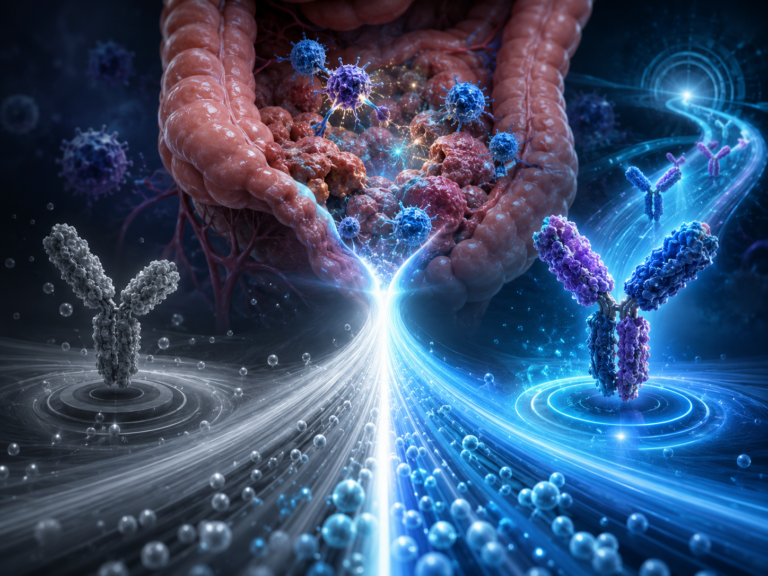
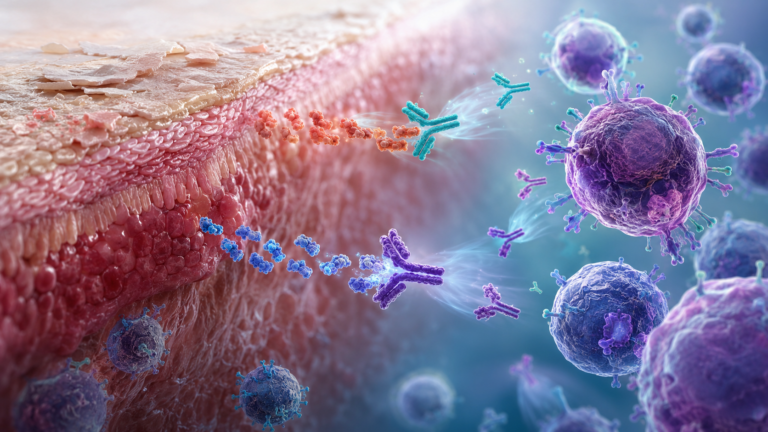
Antibody-drug conjugates (ADCs) are targeted therapies that link a monoclonal antibody to a cytotoxic payload via a chemical linker. The antibody binds tumor-specific antigens, delivering the toxic payload directly to cancer cells, improving efficacy while reducing systemic toxicity.

Tubulis specializes in site-specific conjugation and linker technologies designed to improve payload delivery and stability, addressing key limitations of earlier-generation ADCs.

Signal Extraction

– ADCs are a core battleground in oncology innovation
– Platform consolidation is accelerating across big pharma
– Linker/payload technology is as critical as targeting antibody
– High-value M&A reflects long-term platform importance

Insilens Take

– Opportunity: Identify differentiated ADC platforms early
– Threat: Increasing consolidation reduces access to key technologies
– Watch Signal: Clinical performance of Tubulis-enabled ADCs
– Action: Map ADC ecosystem (payload, linker, targeting) for gaps

Importance & Confidence

Importance: High
Confidence: High

Share this article :

Leave a Reply

Your email address will not be published. Required fields are marked *